Is Your Historic Denver Home's Water Line Failing? Signs to Watch For
Living in a historic home in Denver, CO 80203 offers unique charm and character. But beneath the beautiful architecture, older plumbing systems can pose hidden risks. Your main water line, the artery that supplies your entire home with fresh water, is often out of sight and out of mind. Over decades, these pipes can wear down, corrode, and become vulnerable to leaks. Understanding the early warning signs of deterioration is key to protecting your property from serious water damage.
A failing water line isn't just a minor inconvenience; it can lead to costly repairs, structural damage, and major disruptions to your daily life. Imagine waking up to a flooded basement or a soggy, unusable yard. By learning to spot the subtle clues your plumbing system gives you, you can address problems proactively. This knowledge empowers you to prevent a small issue from turning into a full-blown crisis, saving you time, money, and stress in the long run.
Why Older Denver Homes Face Unique Plumbing Risks
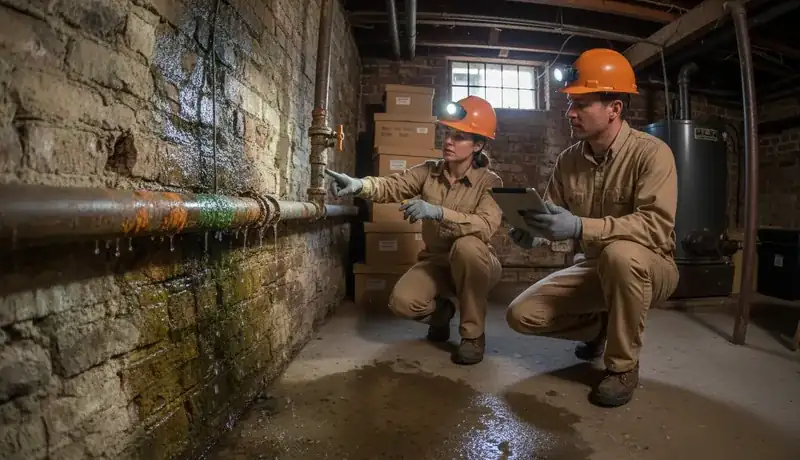
Many historic properties in Denver were built using materials that are now outdated. Galvanized steel or cast-iron pipes, common decades ago, are prone to corrosion and rust from the inside out. Over time, this buildup restricts water flow and weakens the pipe walls, making them susceptible to cracks and leaks. Denver’s specific climate also plays a role. The freeze-thaw cycles common in Colorado can cause the ground to shift, putting immense pressure on these aging pipes. As a result, a pipe that has been stable for 50 years could suddenly develop a crack. That’s why homeowners in older neighborhoods must be extra vigilant. The very history that makes these homes special also contributes to their unique plumbing vulnerabilities, which require careful monitoring and expert care to manage effectively.
Spotting Trouble Before It Becomes a Disaster
You don't have to be a plumbing expert to notice the early signs of a failing water line. One of the most common clues is a sudden, unexplained drop in water pressure throughout your home. If your showers feel weaker or faucets take longer to fill a glass, it could be a sign of a leak. Another indicator is discolored or rusty-looking water, which suggests internal pipe corrosion. Keep an eye on your water bill; a sharp increase without a change in usage points to a hidden leak. Outside, look for perpetually damp or extra-green patches of grass in your yard, especially when the rest of the lawn is dry. These soggy spots often indicate that the underground water line is leaking directly into the soil. Paying attention to these simple signs can make all the difference in catching a problem early.
When a Small Leak Becomes a Big Emergency
While it might be tempting to ignore a small drop in water pressure, these issues rarely fix themselves. In fact, they almost always get worse. A tiny crack in a water line can quickly expand under constant pressure, leading to a major burst that can flood your property in minutes. Attempting a DIY repair on a main water line is extremely risky and can often cause more damage. This is the point where professional help is essential. If you notice any of the warning signs, it’s time to call for an expert assessment. A professional has the tools to locate the leak accurately and determine the best course of action. For sudden pipe bursts or severe leaks, you will need immediate help from a company that provides emergency plumbing services in Denver, CO 80203, like Expert Plumbing Pro.
Your Trusted Partner for Historic Plumbing in Denver
At Expert Plumbing Pro, we understand the specific challenges that come with maintaining historic homes in Denver, CO 80203. Our team has extensive experience working with the older plumbing systems common in these properties. We use modern, minimally invasive techniques to diagnose and repair water line issues, preserving the integrity of your home and landscape whenever possible. We don't just fix the problem; we explain the situation clearly and provide you with transparent options. Our goal is to be your reliable local partner, ensuring your home’s plumbing is safe, efficient, and ready to stand the test of time. We treat your historic property with the respect and specialized care it deserves.
Frequently Asked Questions
How long do water lines typically last in older Denver homes?
The lifespan of a water line depends heavily on its material. Galvanized steel pipes, often found in homes built before the 1960s, may last 40 to 60 years before corroding. Copper pipes generally have a longer lifespan, often exceeding 70 years. However, factors like soil conditions and Denver's freeze-thaw cycles can shorten these timelines. If your home is over 50 years old and has its original water line, a professional inspection is a wise investment.
Is a soggy spot in my yard always a sign of a water line leak?
While a soggy patch of lawn is a classic sign of a main water line leak, it isn't the only possibility. It could also be caused by a broken sprinkler line, poor drainage in that area of your yard, or even a natural spring. However, if the spot is consistently wet and you've noticed other signs like low water pressure or a high water bill, a water line leak is the most likely culprit. A professional plumber can confirm the source of the problem.
Protecting Your Historic Denver Home
Your historic Denver home is a significant investment, and its plumbing system is vital to its health. By staying aware of the signs of water line deterioration—from low pressure to mysterious puddles—you can take control and prevent a catastrophe. Don't wait for a small issue to become a major headache. If you suspect a problem with your water line or need immediate assistance, the team at Expert Plumbing Pro is here to help residents in Denver, CO 80203. Contact us for a professional inspection and peace of mind.